
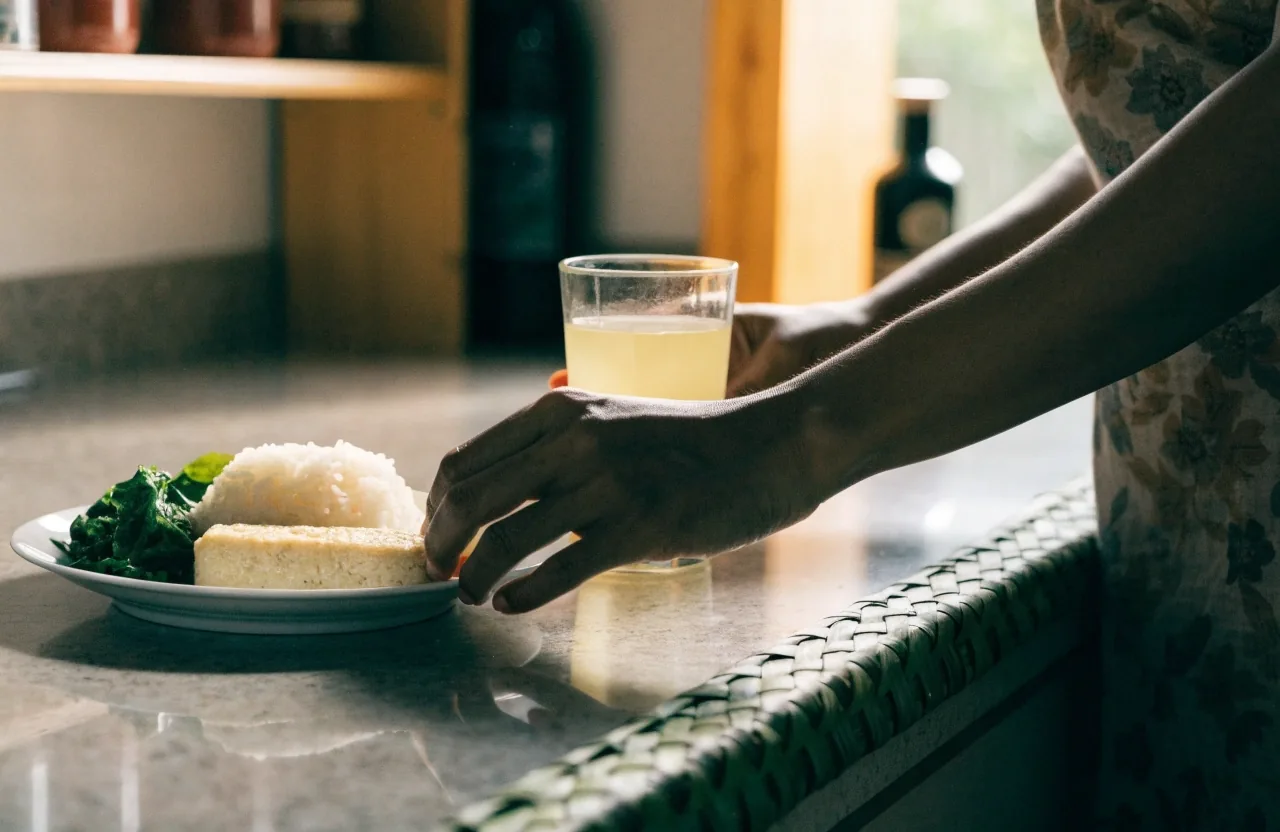
Everyday eating, kept simple
Everyday nutrition guide for Indonesian households
Practical reference points for building a pola makan you can actually keep.
This guide covers the basics we return to in almost every consultation. It isn't a diet plan. It's a set of practical reference points for building a pola makan you can keep, using foods that are already part of Indonesian cooking.
Read it straight through, or jump to the section that matches the question you brought today.
Add one good thing instead of removing five.
Start here
Start with Isi Piringku
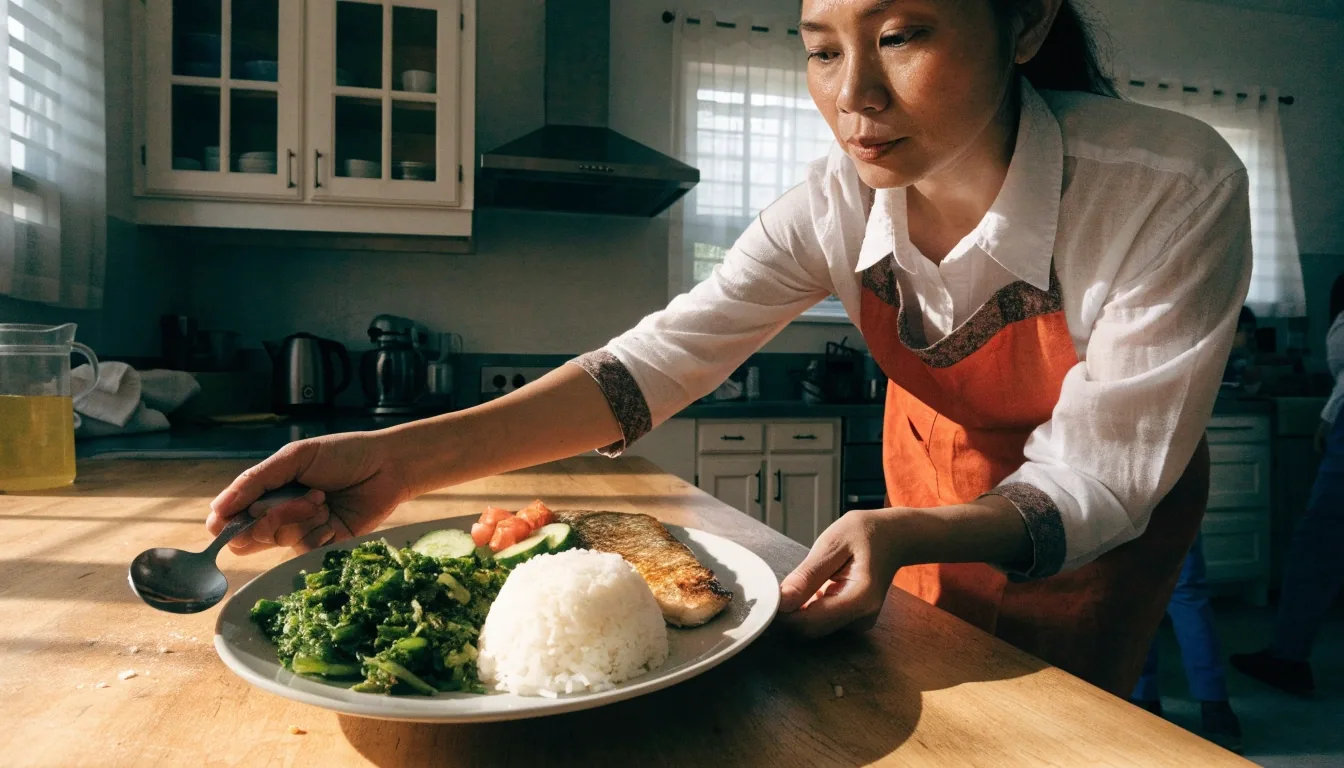
Isi Piringku is Indonesia's plate model, and it's the most useful starting tool because it's visual. Half the plate is fruits and vegetables. One quarter is carbohydrates, usually rice but sometimes noodles, potatoes, or corn. One quarter is protein.
The model works with nasi campur, soto, or a plate of gado-gado. You adjust proportions on the plate you already use rather than cooking something different. That is why it holds up on a Tuesday.
The four anchors on this plate
- AHalf the plate: fruit and vegetables
- BOne quarter: rice, noodles, potato or corn
- COne quarter: fish, egg, tempeh, tahu, meat
- DWater as the everyday drink
Three things most plates are short on
Fibre
Getting enough serat
Fiber comes from vegetables, fruit, and whole grains, and most people get less than they assume. The practical move is adding, not subtracting.
An extra vegetable dish at dinner. Fruit as a snack instead of something packaged. Beans or legumes mixed into a dish you already make. If your current menu has one vegetable, aim for two. That is a realistic step, and it holds up over months.
Protein
Protein across the day
Protein appears in tempeh, tahu, eggs, fish, chicken, beef, and beans. Spreading it across meals usually helps more than concentrating it at dinner.
Breakfast is where many people miss it. Adding an egg or some tempeh to a morning meal is a small change that shifts the whole day's asupan harian. You don't need imported products. The local options work.
Drinks
Water and sweet drinks
Guidance from FAO Indonesia and international references converges on water as the default drink. Sweetened drinks, including teh manis and packaged juices, tend to add up faster than people realize because they don't feel like food.
We don't ask for an all-or-nothing cut. Look at what you drink in a normal day and find one place a swap is easy.
Makan teratur, in practice
Makan teratur beats any single food choice
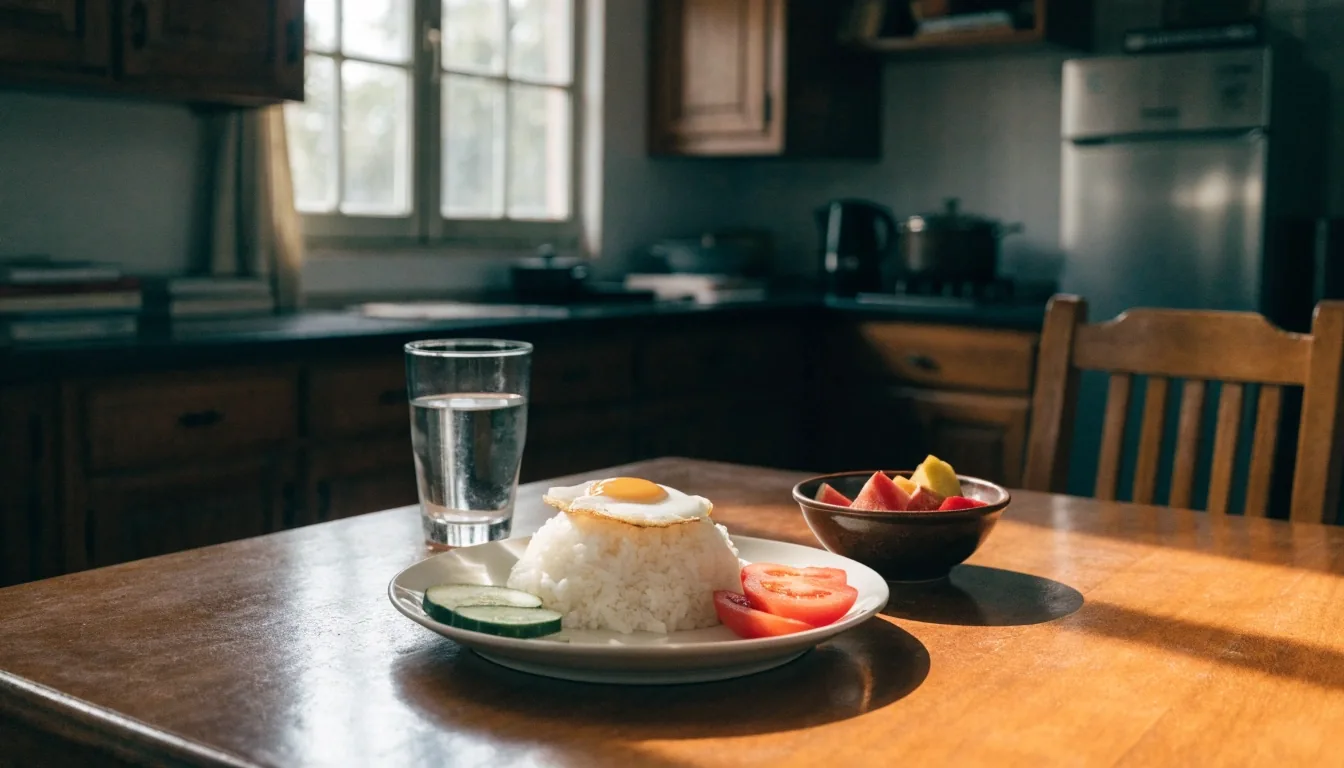
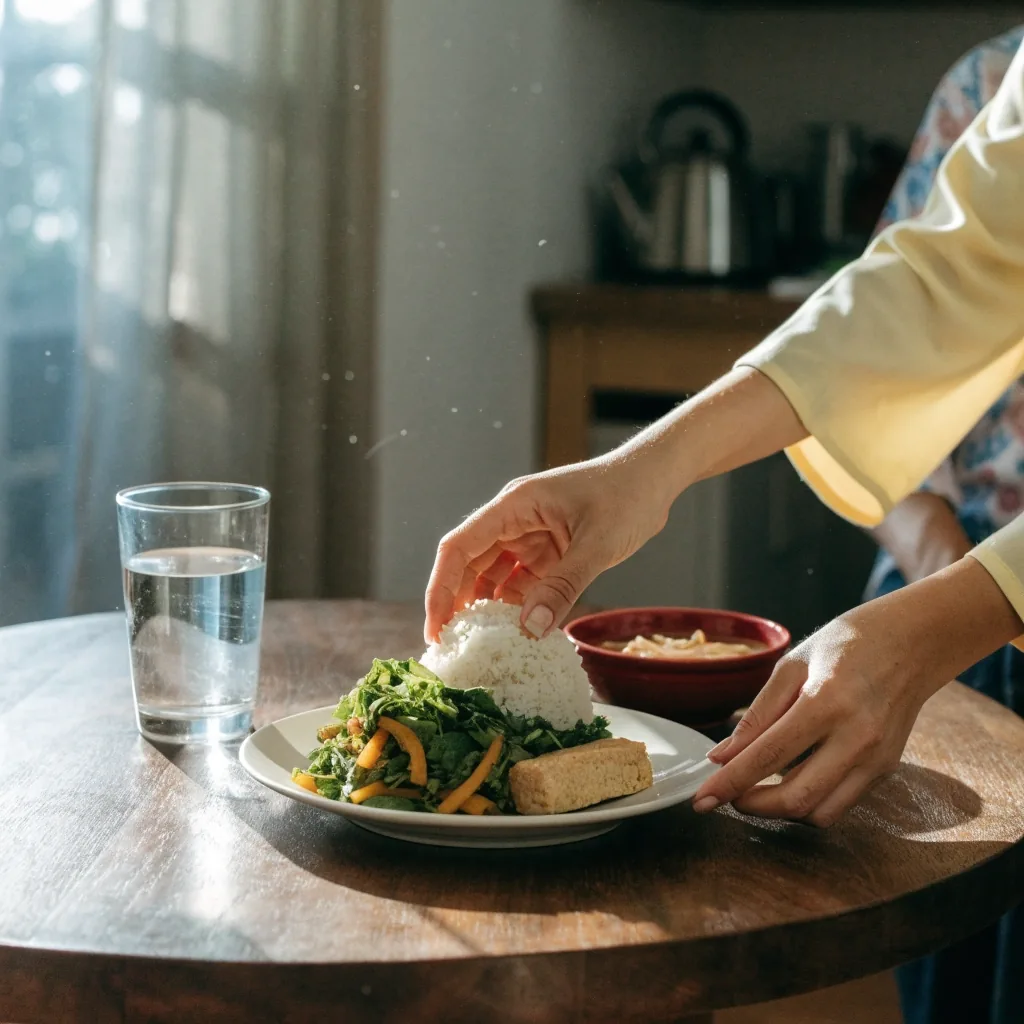
Skipping breakfast and eating late are common patterns, and they're usually more useful to work on than swapping one ingredient. Here is the same kitchen counter at three points in the day.
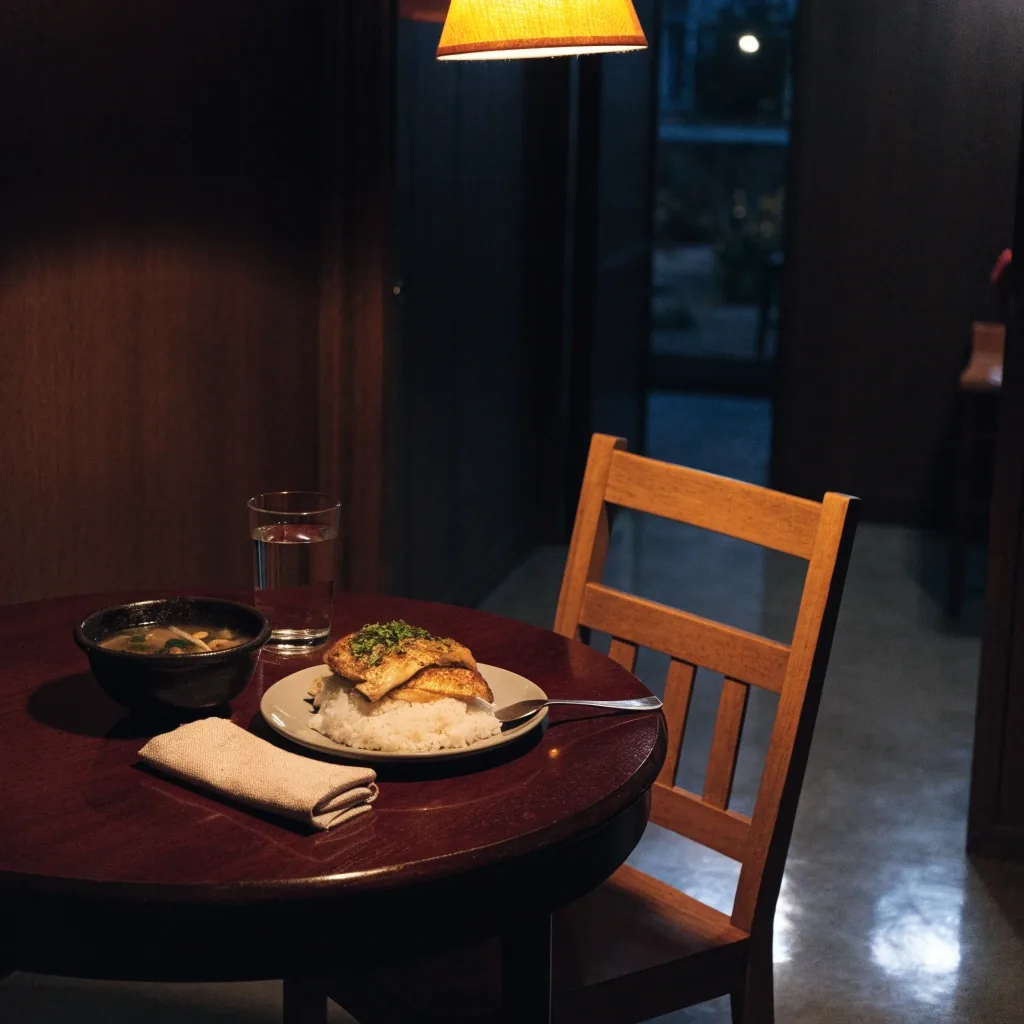
What the day adds up to
- AThree meals, not two and a late night
- BProtein at breakfast, not only at dinner
- CWater with meals, sweet drinks occasionally
- DA routine that survives a busy week
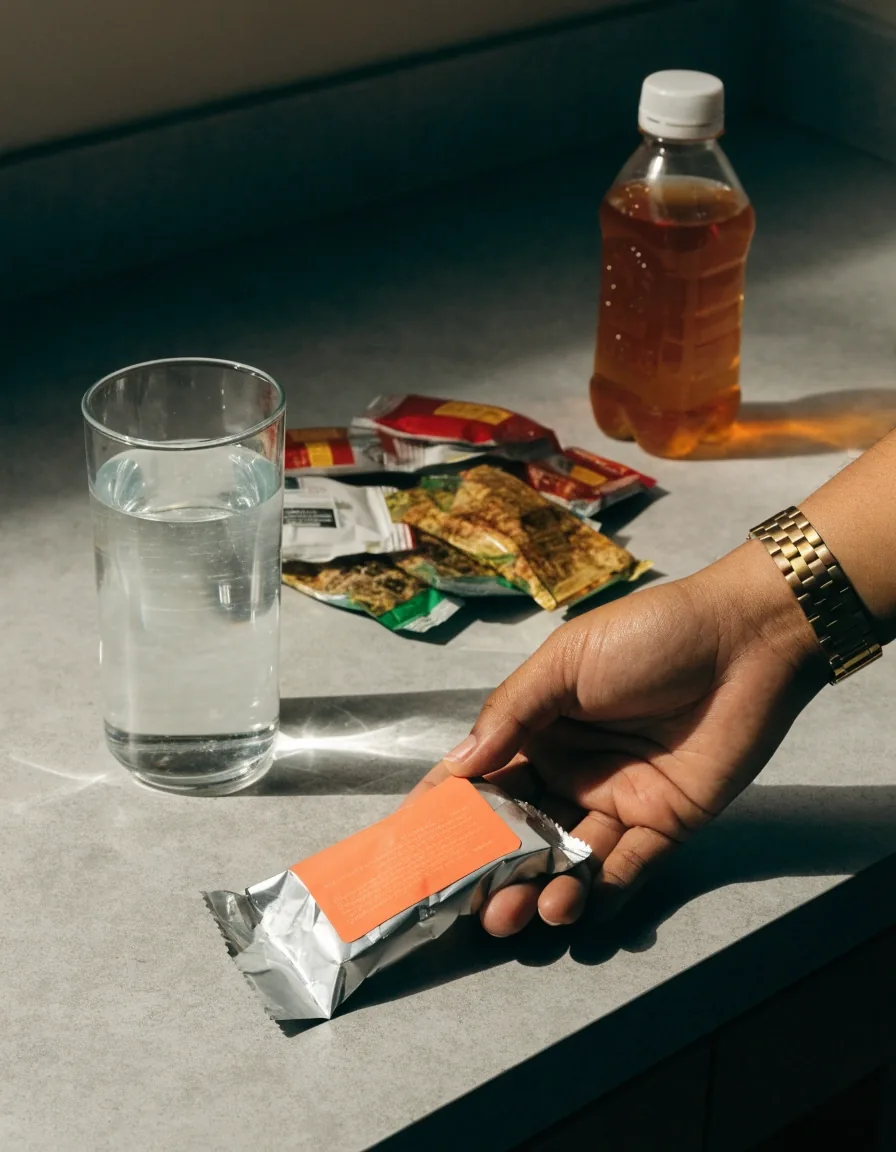
The packaged items that quietly carry the most sugar, salt and fa in a normal week.
Labels and limits
Reading a label makanan before it reads you
Labels in Indonesia list serving size, and then the nutrients for that serving. The mistake is reading the numbers for the whole package instead of one portion. Check sugar and sodium first, then look at how many servings the pack contains. If a bottle holds two servings and you drink it all, double the figures.
Bring a product you buy regularly to a session and we'll read it together.
Limiting sweet, salty, and fatty foods
This point shows up in Indonesian and international guidance alike. It doesn't mean removing them. It means knowing where they're concentrated in your diet. Fried snacks, sweetened drinks, instant noodles, and processed meats are frequent culprits.
Pick the one that appears most in your week and adjust that first. A single targeted change beats a broad restriction you can't maintain.
Variety over perfection
Eating a variety of foods is the first point in Indonesia's national guidance, and it's there for a reason. No single food covers everything. Rotating proteins, trying different vegetables, and varying how you cook keeps the diet broad without any special planning.
If your week looks similar every day, variety is a reasonable goal for the next month. One new vegetable, one different fish, one cooking method you rarely use.
Fruit and vegetables, realistically
International comparisons of Indonesia's guidelines often cite 400 grams of fruit and vegetables as a common benchmark. That's roughly five portions. It sounds like a lot until you count what's already in a dish.
Sayur in a soup, fruit after lunch, vegetables on the side at dinner. Adding one portion at a time gets you closer than aiming for the full amount on day one.
General guidance answers most everyday questions. A consultation answers yours.
The guide above is the same starting point we use in a session. What changes in a session is the part fitted to you: your week, your kitchen, your condition, the food you actually eat.

When to ask a dietitian
When general advice isn't enough
General guidance covers most everyday questions. A consultation helps when you want guidance fitted to your situation, such as pregnancy, breastfeeding, older-adult nutrition, or a medical condition you're managing.
It also helps if you've tried the basics and something isn't clicking. You can register from the form on our site and describe what you want to work on.
Before you book
Questions that come up first
Short answers to the things people ask before they register. If yours isn't here, the team can answer it directly.
Do I need to follow a strict diet to make this work? fold
No. The whole point of the guide is adjusting proportions on food you already eat. A diet you can't keep for a month isn't a plan, it's an interruption.
Which local foods fit a balanced pola makan? fold
Most of them. Rice, noodles, corn and potato fill the carbohydrate quarter. Tempeh, tahu, eggs, fish, chicken, beef and beans fill the protein quarter. Sayur and local fruit fill the half plate. Nothing imported is required.
How long does it take to see changes in how I eat? fold
Habits move slower than plans do. Adding one vegetable dish or one protein at breakfast usually becomes normal within a few weeks, which is why the guide asks for one change at a time rather than a full new menu.
Can I bring my own menu or a product label to a session? fold
Yes, and it makes the session more useful. Bring the label of a product you buy often, or a week of your usual menu written down, and the conversation starts from your real food instead of a generic example.
Where do I register, and what happens after? fold
Registration is on a separate page, with a short form describing what you want to work on. After that the team confirms a time during working hours, Monday to Friday, 09:00 to 18:00.
Keep reading, or bring your own plate
If you want to know which situations we consult on, the consultation topics page lists them. If you already know what you want to work on, registration takes a few minutes and the team replies during working hours.
Gizi Seimbang Konsultasi · Jl. Basuki Rahmat No. 12, Surabaya, Jawa Timur, 60271, Indonesia · +62 31 531 9876 · [email protected] · Monday to Friday, 09:00–18:00